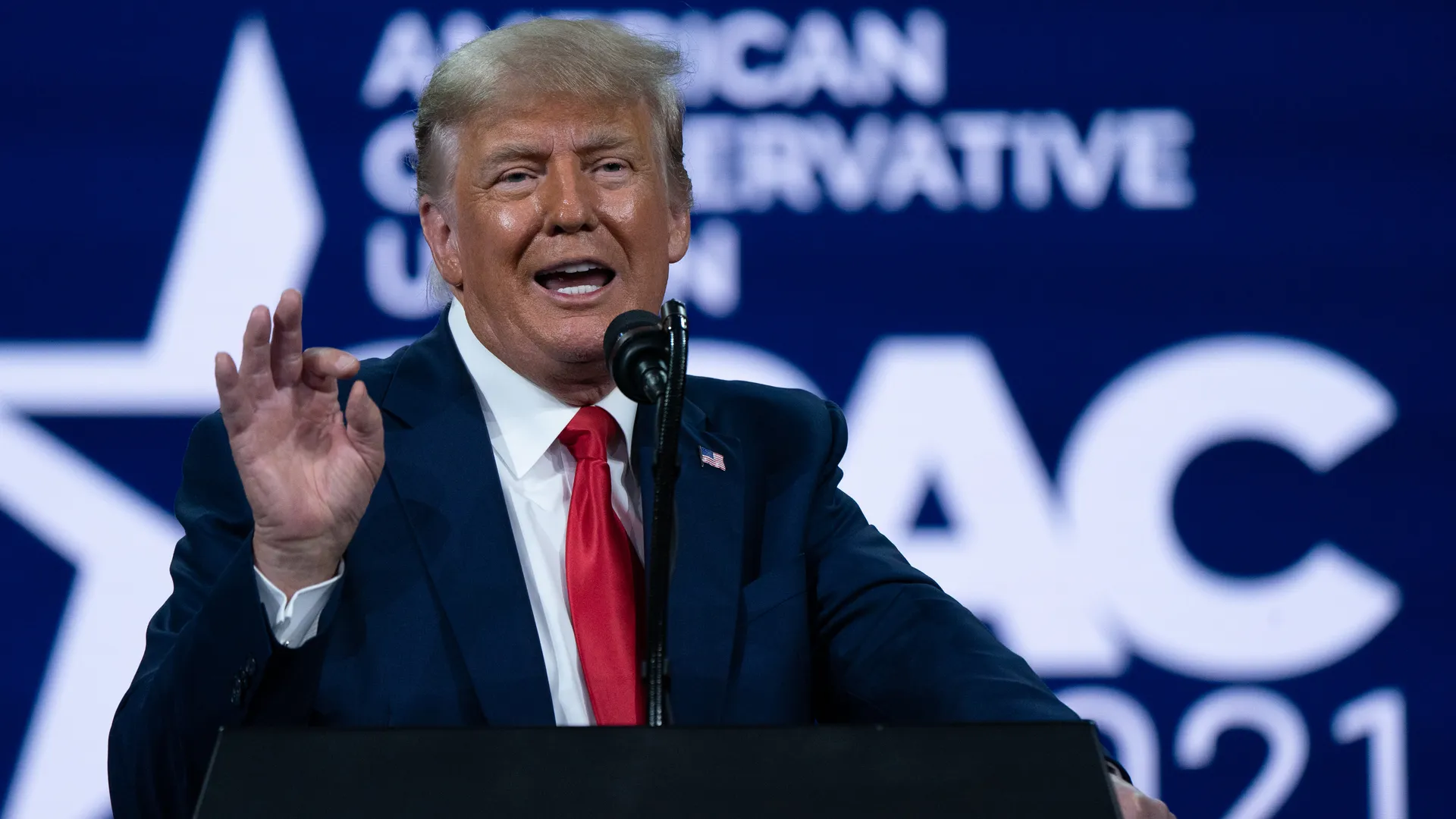
Washington, DC | US President Donald Trump has drawn attention to the growing defence partnership between India and the United States while criticising delays in the delivery of Apache attack helicopters to India. Speaking at the House GOP Member Retreat in Washington, Trump referred to the issue as an example of bureaucratic hurdles affecting American defence exports.
During his address, Trump said that Indian Prime Minister Narendra Modi had personally raised concerns over the delayed delivery of 68 Apache helicopters ordered by India. According to Trump, the deliveries were running nearly five years behind schedule, prompting Modi to seek direct intervention. Trump portrayed himself as having stepped in to fast-track the process, claiming the US administration is now working to resolve the delays.
The Apache deal dates back to 2015, when India signed contracts worth over $2.5 billion for the advanced attack helicopters. While six Apaches have already been inducted into the Indian Air Force through Hindustan Aeronautics Limited (HAL), the remaining deliveries have faced setbacks due to supply chain disruptions, integration challenges, and regulatory processes.
Trump also spoke warmly of his personal relationship with Prime Minister Modi, describing him as “a good man,” but coupled the praise with criticism of India’s continued imports of Russian crude oil. He reiterated that high tariffs—reportedly reaching up to 50 per cent—had been imposed on Indian goods as leverage, linking trade pressure to India’s energy purchases amid the Russia–Ukraine conflict.
India’s imports of Russian oil rose sharply after 2022, driven by discounted prices following Western sanctions. Trump claimed that India has since reduced these purchases “substantially,” framing the tariff measures as effective tools to influence policy decisions. However, Indian officials have firmly denied making any commitments to curtail Russian oil imports, maintaining that energy sourcing decisions are guided solely by national interest and energy security.

The remarks highlight the dual nature of current India–US relations—strong cooperation in defence and technology, alongside friction over trade and energy policy. Defence collaboration has expanded under initiatives such as the Quad, iCET, and joint manufacturing projects involving drones, jet engines, and advanced systems with Indian firms like HAL and Tata Advanced Systems.
At the same time, the Apache helicopter delays underscore wider challenges in US arms exports, often attributed to complex approval mechanisms, technology transfer restrictions, and congressional oversight. Trump’s comments suggest an effort to push back against these bottlenecks in order to strengthen ties with key partners like India.
For India, faster delivery of Apaches would significantly boost the Army Aviation Corps’ combat capabilities, particularly along sensitive borders. However, continued tariff pressures and supply uncertainties may encourage New Delhi to further diversify defence procurement and accelerate indigenous programmes such as the Light Combat Helicopter and other “Atmanirbhar Bharat” initiatives.
Overall, Trump’s speech reflected a pragmatic yet transactional approach to India–US ties—highlighting defence cooperation as a success story while using economic pressure to influence policy differences. As both countries navigate strategic cooperation amid global uncertainties, the balance between partnership and pressure is likely to remain a defining feature of the relationship.